Food Safety
search
Ask Food Safety AI
cart
facebook twitter linkedin instagram youtube
  • Sign In
  • Create Account
  • Sign Out
  • My Account
Food Safety
  • NEWS
    • Latest News
    • White Papers
  • PRODUCTS
  • TOPICS
    • Contamination Control
    • Food Types
    • Management
    • Process Control
    • Regulatory
    • Sanitation
    • Supply Chain
    • Testing and Analysis
  • PODCAST
  • EXCLUSIVES
    • Food Safety Five Newsreel
    • eBooks
    • FSM Distinguished Service Award
    • Interactive Product Spotlights
    • Videos
  • BUYER'S GUIDE
  • MORE
    • NEWSLETTERS >
      • Archive Issues
      • Subscribe to eNews
    • Store
    • Sponsor Insights
    • ASK FSM AI
  • WEBINARS
  • FOOD SAFETY SUMMIT
  • EMAG
    • eMagazine
    • Archive Issues
    • Editorial Advisory Board
    • Contact
    • Advertise
  • SIGN UP!
NewsContamination ControlFood TypeRegulatoryChemical ControlIngredientsInternational Standards/Harmonization

Due to Risk of Liver Damage, EU Limits Green Tea Extract with EGCG in Foods

By Bailee Henderson
dried green tea leaf in spoon

Credit: Tara Winstead (tara-winstead) via Pexels

December 7, 2022

New EU legislation restricts the amount of green tea extract containing (-)-epigallocatechin-3-gallate (EGCG) that can be present in food and sets new labeling requirements. EGCG is a catechin, which are flavinols that may lead to liver damage. 

Catechins, of which EGCG is the most common type, are found naturally in the leaves of Camellia sinensis (L.) Kuntze, the plant that is processed into green tea. A 2018 scientific opinion from the European Food Safety Authority (EFSA) concluded that consumption of EGCG exceeding 800 milligrams per day (mg/day) may increase the likelihood of liver damage when taken as a food supplement. EFSA’s determination was based on studies that revealed a statistically significant increase of serum transaminases, which are indicative of liver injury, in subjects given EGCG supplements. 

Despite containing EGCG, it is considered generally safe to consume catechins from traditionally prepared green tea infusions and reconstituted drinks with an equivalent composition. Among the adult population in the EU, the mean daily intake of EGCG from the consumption of green tea infusions ranges from 90–300 mg/day, while those who ingest EGCG supplemented products may consume an estimated 866 mg EGCG/day. Food supplements containing green tea catechins provide a daily dose of EGCG in the range of 5–1,000 mg/day, according to EFSA.

In its opinion, EFSA could not provide advice on a dietary intake of green tea catechins due to the varied chemical composition of catechins, including EGCG, affected by plant variety, growing conditions, and other factors. Additionally, there are uncertainties on how the composition of extracted catechins and other substances used to prepare green tea extracts is influenced by manufacturing procedures. 

Based on EFSA’s opinion, the European Commission amended Annex III of Regulation (EC) No 1925/2006 to establish new limits for EGCG in foods. The legislation suggests a daily intake level of EGCG from green tea extracts at 800 mg/day, but recommends studies be conducted to determine a dose-response of hepatotoxicity of green tea catechins, and examine inter- and intra-species variability. The compound will be further reviewed within the EU, and the permitted daily dose may be changed within four years.

According to the new rules, a daily serving of green tea extract in foods and supplements must contain less than 800 mg of EGCG, and the label must state that the total daily amount of 800 mg must not be exceeded. Also based on findings from EFSA’s scientific opinion, the amended regulation requires labels on products supplemented with EGCG to provide warnings for children under 18 years of age, pregnant people, or lactating people, and should also caution against consuming the product on an empty stomach or within the same day as other products containing green tea.

The legislation does not apply to infusions of green tea that have been brewed in a traditional way, or prepared drinks with aqueous extracts of green tea containing EGCG that have a comparable composition to traditionally brewed infusions. Additionally, there are different regulations that apply to EGCG as a purified extract of green tea leaves, which is an approved new food. Goods using purified extract containing at least 90 percent EGCG are subject to Regulation (EU) 2017/2470, rather than the present legislation.

The amendment allows for a six-month transition period for producers of products supplemented with EGCG. Dietary supplements or other foods that do not comply with the new requirements, but were legally placed on the market before the change came into force, may remain on the market until June 21, 2023.


Looking for quick answers on food safety topics?
Try Ask FSM, our new smart AI search tool.
Ask FSM →


KEYWORDS: EFSA EU European Commission flavinoids green tea extract labeling regulations

Share This Story

Baileehendersonmay23

Bailee Henderson is the Digital Editor of Food Safety Magazine, where she covers industry-relevant current events, regulatory affairs, and scientific developments. She also produces the Food Safety Five Newsreel. Notably, Bailee's coverage for Food Safety Magazine has been featured in national televised news segments including CBS Sunday Morning and MSNBC's Rachel Maddow Show. She can be reached at hendersonb@bnpmedia.com.

Recommended Content

JOIN TODAY
to unlock your recommendations.

Already have an account? Sign In

  • people holding baby chicks

    Serovar Differences Matter: Utility of Deep Serotyping in Broiler Production and Processing

    This article discusses the significance of Salmonella in...
    Testing & Analysis
    By: Nikki Shariat Ph.D.
  • woman washing hands

    Building a Culture of Hygiene in the Food Processing Plant

    Everyone entering a food processing facility needs to...
    Food Prep/Handling
    By: Richard F. Stier, M.S.
  • graphical representation of earth over dirt

    Climate Change and Emerging Risks to Food Safety: Building Climate Resilience

    This article examines the multifaceted threats to food...
    International
    By: Maria Cristina Tirado Ph.D., D.V.M. and Shamini Albert Raj M.A.
Manage My Account
  • eMagazine Subscription
  • Subscribe to Newsletters
  • Manage My Preferences
  • Website Registration
  • Subscription Customer Service

More Videos

Sponsored Content

Sponsored Content is a special paid section where industry companies provide high quality, objective, non-commercial content around topics of interest to the Food Safety Magazine audience. All Sponsored Content is supplied by the advertising company and any opinions expressed in this article are those of the author and not necessarily reflect the views of Food Safety Magazine or its parent company, BNP Media. Interested in participating in our Sponsored Content section? Contact your local rep!

close
  • Darkling Beetle
    Sponsored byElanco Animal Health

    Integrated Pest Management: Protecting Poultry Operations as Seasons Change

  • NEVIFIT 3 Compartment BPA-FREE
    Sponsored byCorbion

    The Risks of Ready-to-Eat: Five Ways to Protect Today's Prepared Meals

  • a group of workers in a food production facility
    Sponsored bySkillUp by Registrar Corp

    How to Build a Better Training Program: Data and Insights from the Global Food Safety Training Survey

Popular Stories

half full baby bottle next to rubber duckie on white surface

Organic Infant Formulas Caused Back-to-Back Botulism Outbreaks—What Gives?

nara organics whole milk infant formula

Another Infant Botulism Outbreak Sickens Three, Nara Organics Formula Suspected Cause

smiling man with clipboard in front of bottling line at beverage manufacturing facility

The Evolving Role of the Quality Assurance Professional in Food Safety

Events

June 25, 2026

Rethinking Food Safety: Eliminating Biofilm and Building a Smarter Food Safety System

Live: June 25, 2026 at 2:00 pm EDT: Join this webinar to explore a modern approach to decontamination that goes beyond surface-level cleaning to combat biofilm and persistent pathogens.

June 30, 2026

FSMA 204 in Practice: Building a Traceability-Ready Operation

Live: June 30, 2026 at 11:00 am EDT: Attend this webinar to learn how food businesses can move from fragmented records toward a more reliable approach for recall response, FDA requests, and supply chain visibility.

July 21, 2026

Using AI Responsibly in Food Safety Management Systems

Live: July 21, 2026 at 2:00 pm EDT: This webinar will provide participants with guidance on how to effectively use generative artificial intelligence (AI) tools to develop key components of a food safety management system (FSMS).

View All

Products

Global Food Safety Microbial Interventions and Molecular Advancements

Global Food Safety Microbial Interventions and Molecular Advancements

See More Products

Related Articles

  • FSS recalls generic image

    Cornerstone Premium Foods voluntarily recalls frozen blackberries due to possible health risk of Norovirus

    See More
  • How to Assess the Risk of Emerging Chemical Contaminants in Foods

    See More
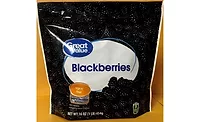
  • Alma Pak Voluntarily Recalls Frozen Blackberries Due to Possible Health Risk of Norovirus

    Alma Pak voluntarily recalls Great Value frozen blackberries due to possible health risk of Norovirus

    See More

Related Products

See More Products
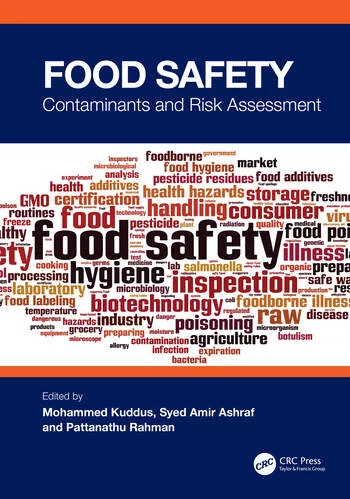
  • food safety.jpg

    Food Safety Contaminants and Risk Assessment

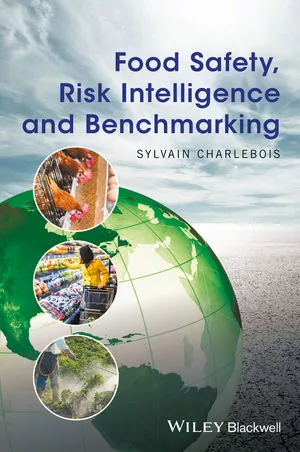
  • 1119071127.jpg

    Food Safety, Risk Intelligence and Benchmarking

  • food-safety-making.jpg

    Food Safety: Making Foods Safe and Free From Pathogens

See More Products

Related Directories

  • Institute of Food Technologists

    Since 1939, the Institute of Food Technologists (IFT) has served as the voice of the global food science community. IFT advocates for science, technology, and research to address the world’s greatest food challenges, guiding our community of more than 200,000. IFT convenes professionals from around the world – from producers and product developers to innovators and researchers across food, nutrition, and public health – with a shared mission to help create a global food supply that is sustainable, safe, nutritious, and accessible to all. IFT provides its growing community spanning academia, industry, and government with the resources, connections, and opportunities necessary to stay ahead of a rapidly evolving food system as IFT helps feed the minds that feed the world. For more information, please visit ift.org.
×

Never miss the latest news and trends driving the food safety industry

Newsletters | Website | eMagazine

JOIN TODAY!
  • RESOURCES
    • Advertise
    • Contact Us
    • Directories
    • Store
    • Want More
  • SIGN UP TODAY
    • Create Account
    • eMagazine
    • Newsletters
    • Customer Service
    • Manage Preferences
  • SERVICES
    • Marketing Services
    • Reprints
    • Market Research
    • List Rental
    • Survey/Respondent Access
  • STAY CONNECTED
    • LinkedIn
    • Facebook
    • Instagram
    • X (Twitter)
  • PRIVACY
    • PRIVACY POLICY
    • TERMS & CONDITIONS
    • DO NOT SELL MY PERSONAL INFORMATION
    • PRIVACY REQUEST
    • ACCESSIBILITY

Copyright ©2026. All Rights Reserved BNP Media, Inc. and BNP Media II, LLC.

Design, CMS, Hosting & Web Development :: ePublishing